

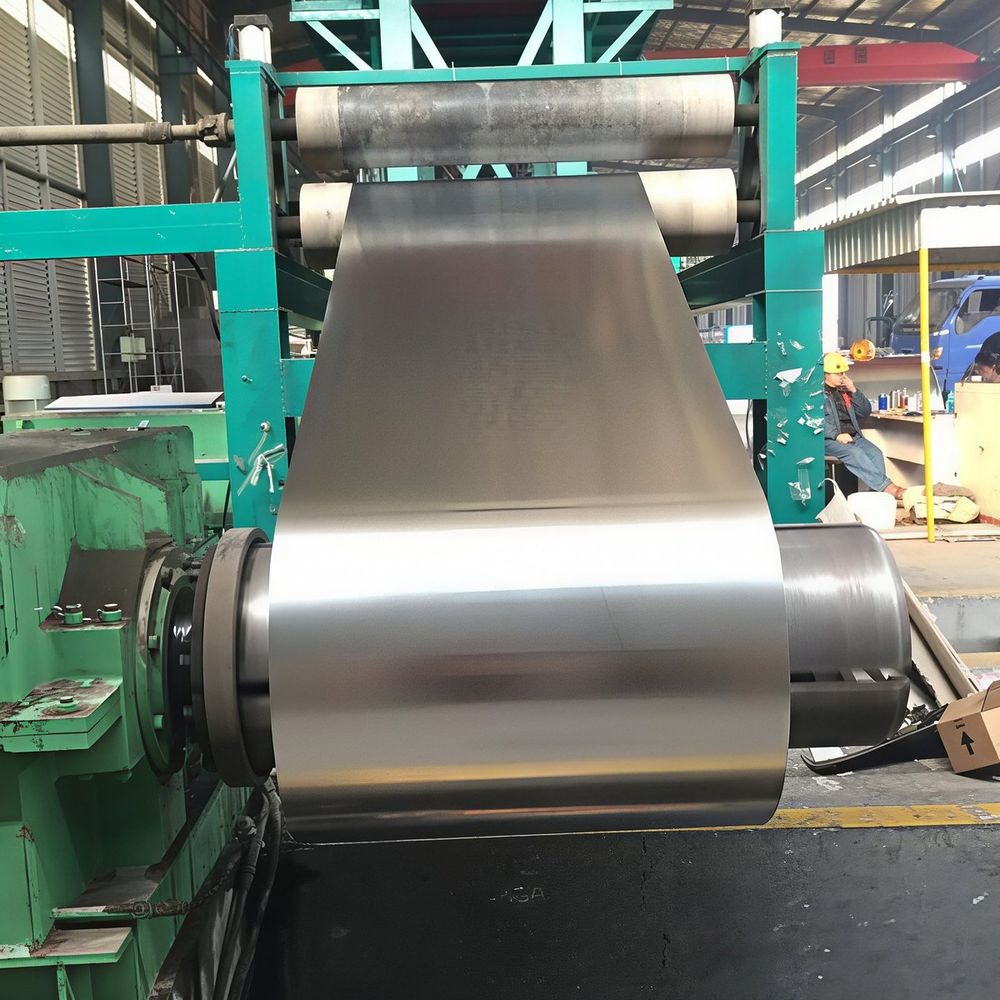
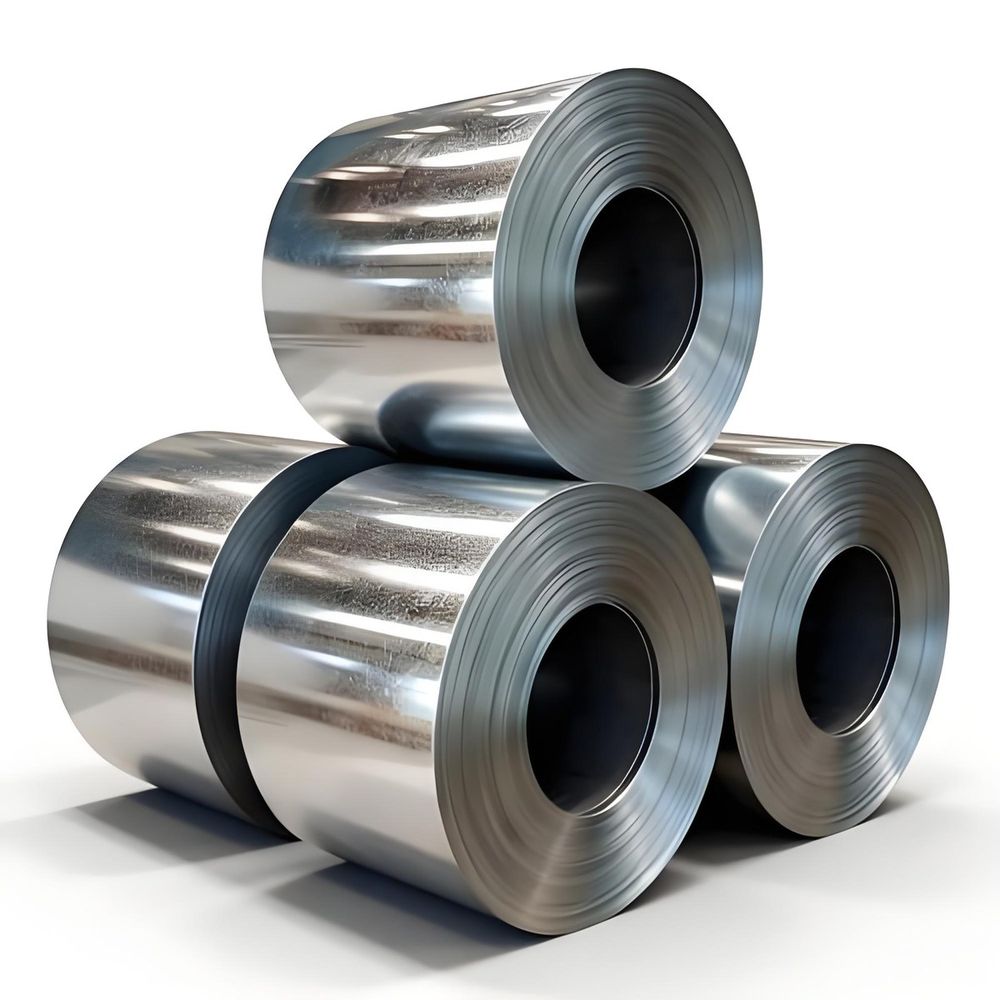
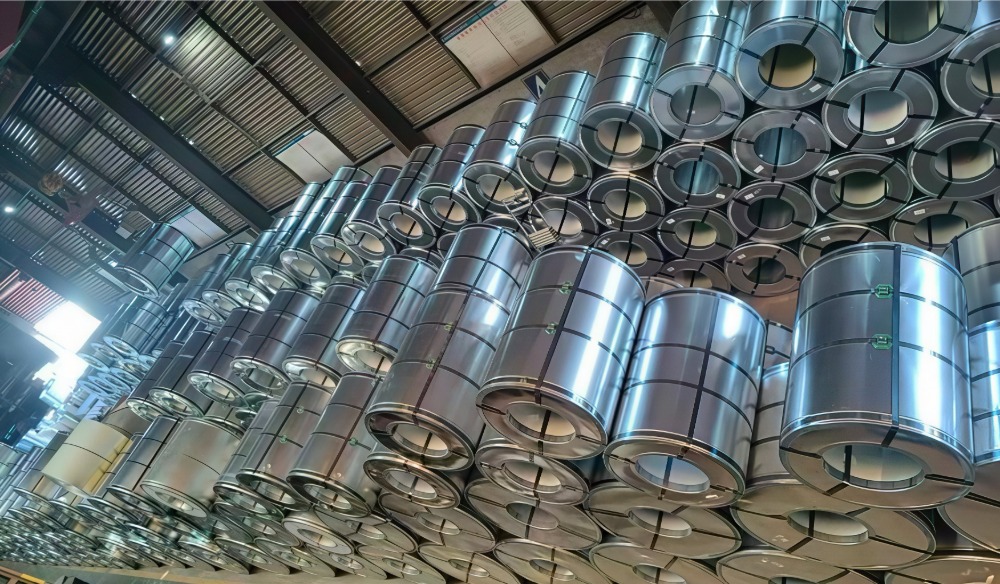
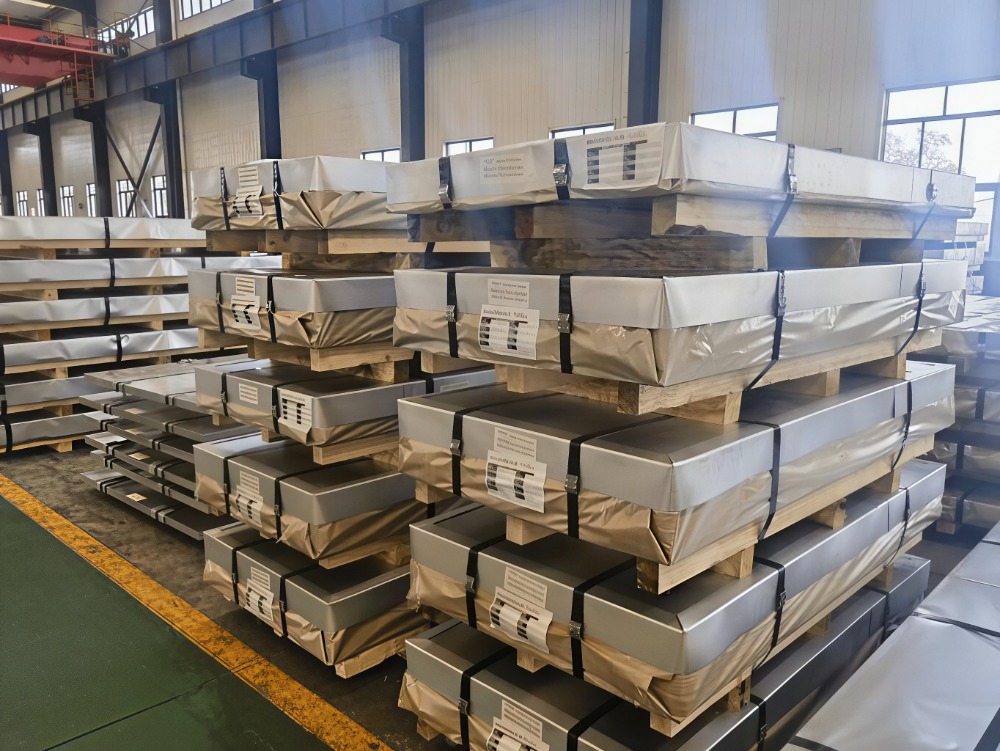
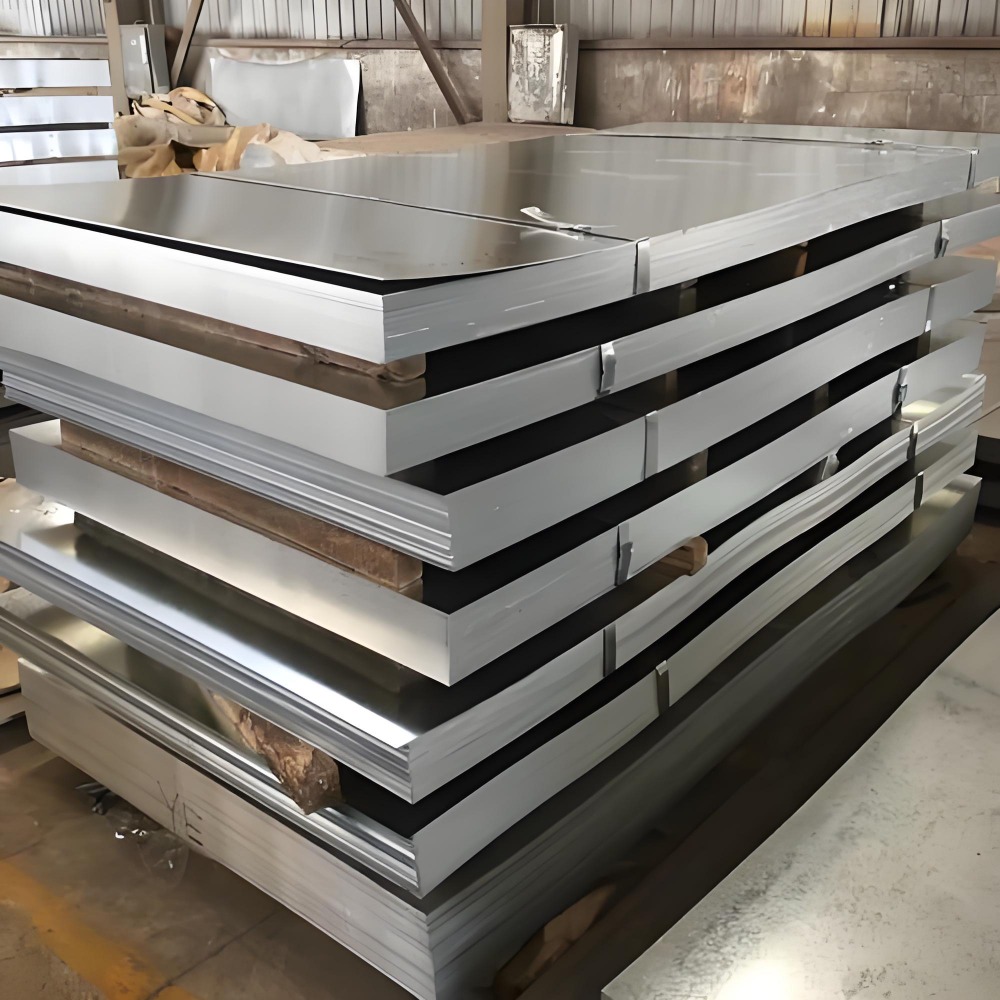
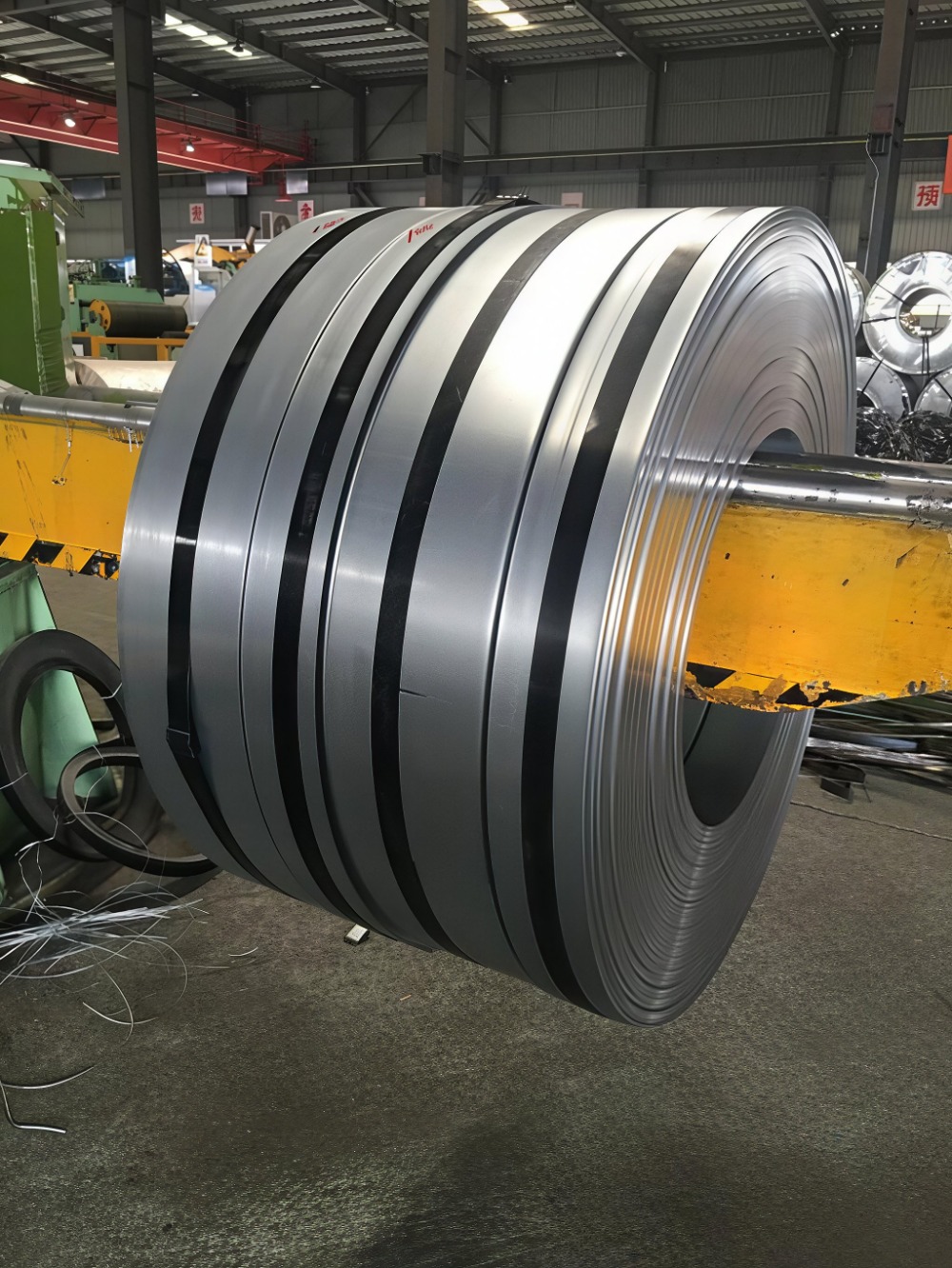
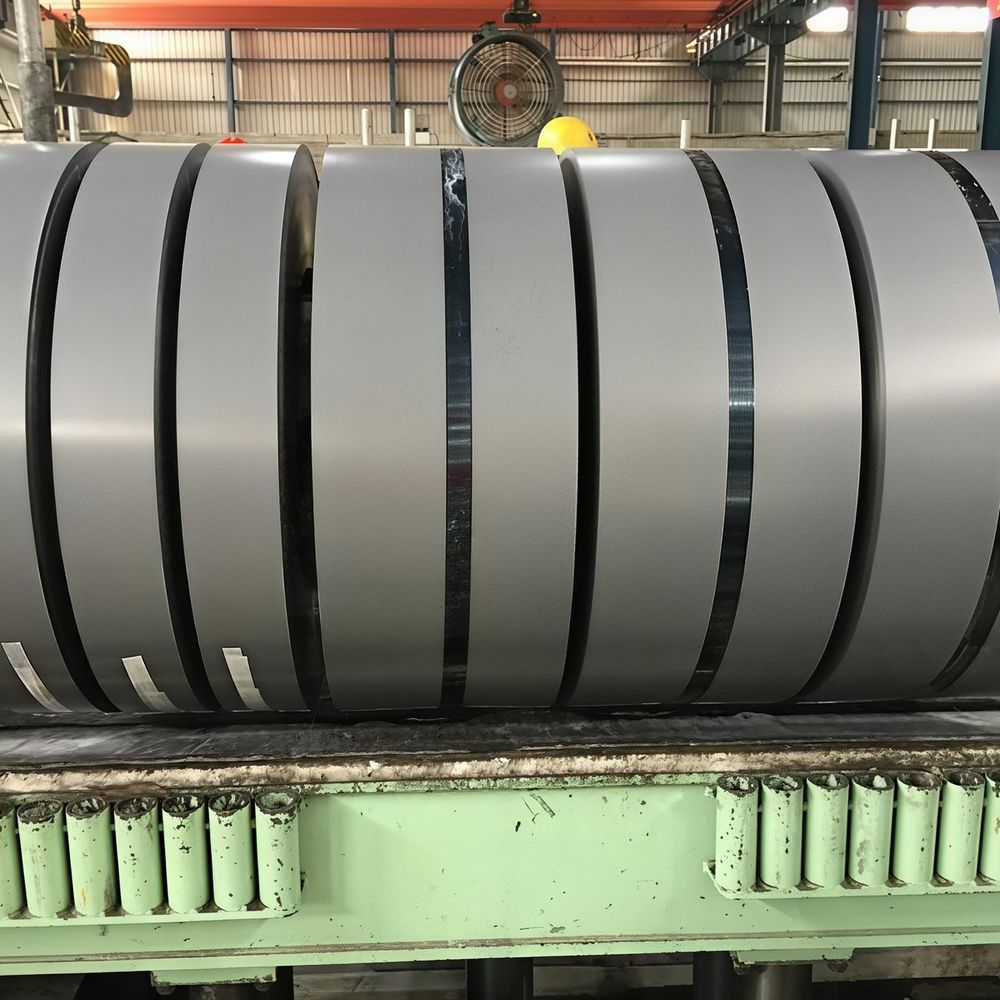
Hot-dip galvanized steel (GI) and galvalume steel (GL) are the most widely used substrates for prepainted steel. Both are manufactured by continuous hot-dip coating process. The metallic coating provides cathodic protection to the steel substrate against corrosion, while they differ in coating composition, anti-corrosion performance and surface features.
Hot-dip Galvanized Steel (GI) Hot-dip galvanized steel is produced by immersing cold rolled steel substrate into molten zinc, forming a zinc alloy coating on the surface. The zinc coating offers reliable sacrificial anode protection: zinc corrodes preferentially to protect the steel base if the surface is scratched. It features excellent coating adhesion and good formability, and the zinc layer resists peeling during bending, stamping and profiling. With moderate cost and good weldability, GI is widely used for inland ordinary environments, general steel components, pipe supports, hardware parts, and as the substrate for PPGI. Its service life is shorter than galvalume steel under humid or coastal salt-spray conditions.
Galvalume Steel (GL) Galvalume steel has a coating composed of approximately 55% aluminum, 43.5% zinc and 1.5% silicon. Aluminum forms a dense oxide barrier to block moisture, while zinc provides cathodic protection, combining the barrier protection of aluminum and sacrificial protection of zinc. With the same coating mass, galvalume delivers much better atmospheric corrosion resistance than regular hot-dip galvanized steel, with superior resistance to white rust and red rust. Its surface presents a distinctive silver-grey spangle pattern. It has good workability and is commonly used as the substrate for high weather resistance PPGL. Typical applications include coastal areas, industrial corrosive environments, roof base sheets, curtain wall substrates and solar brackets where long-term anti-corrosion performance is required.